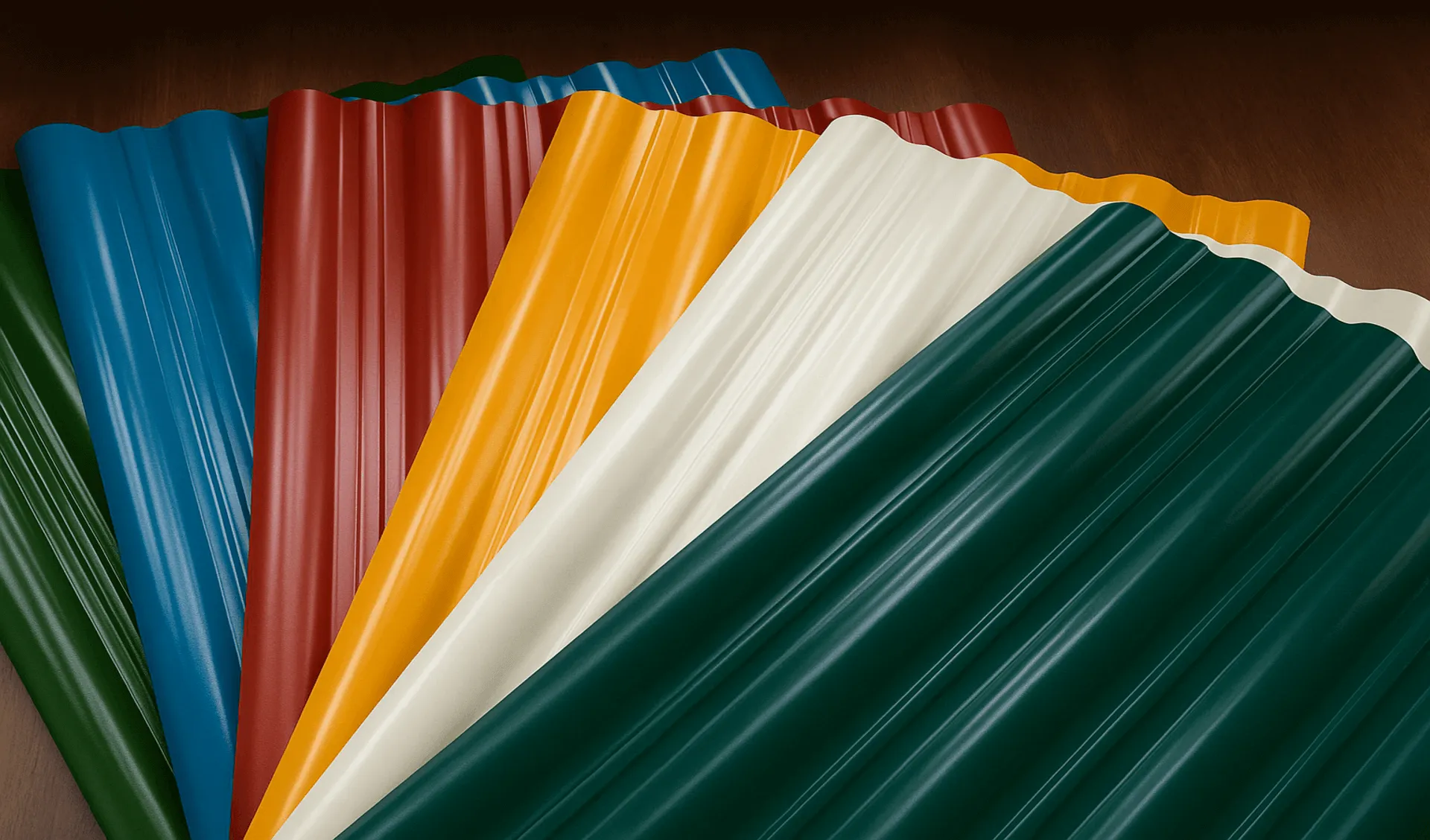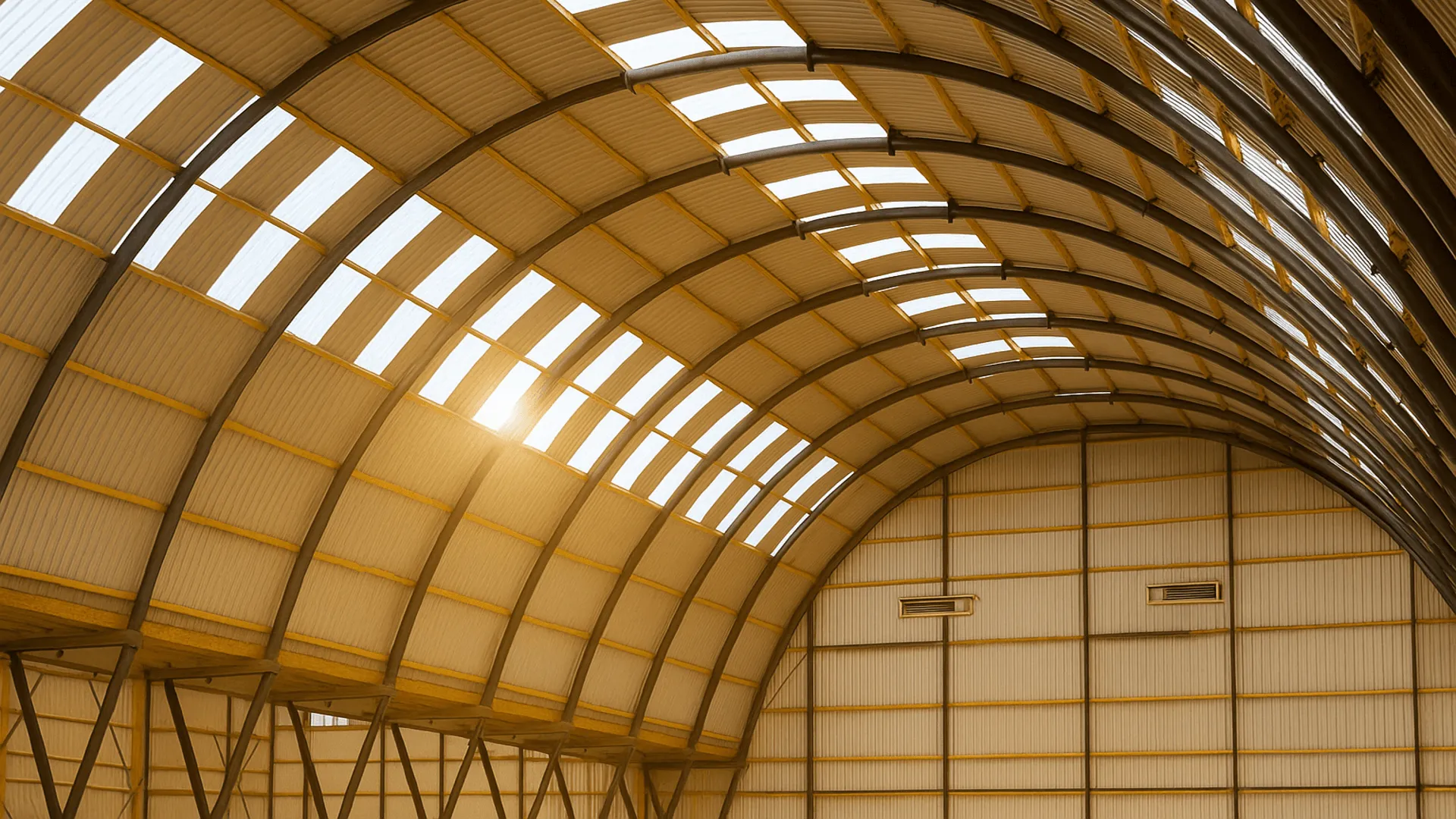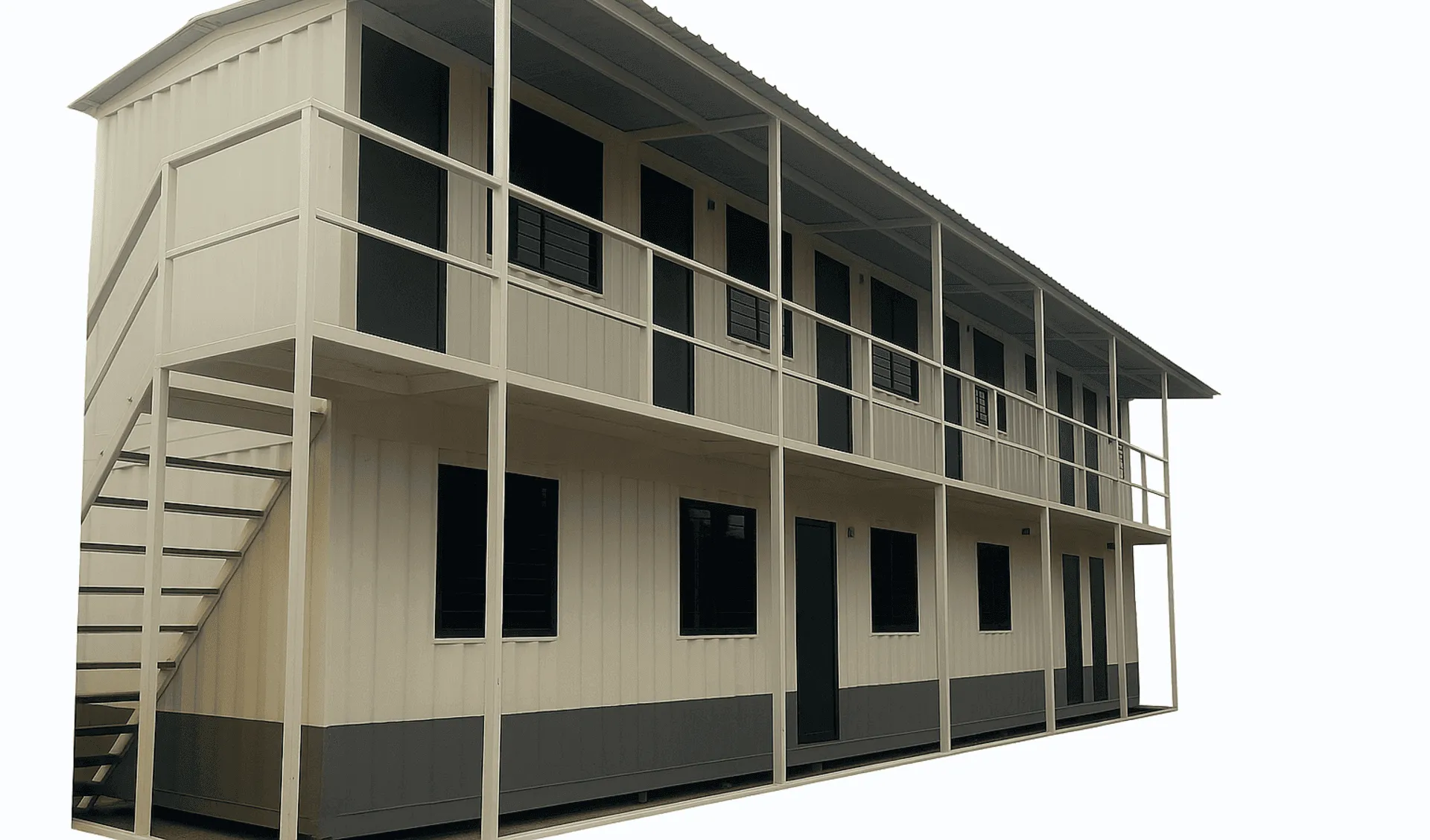
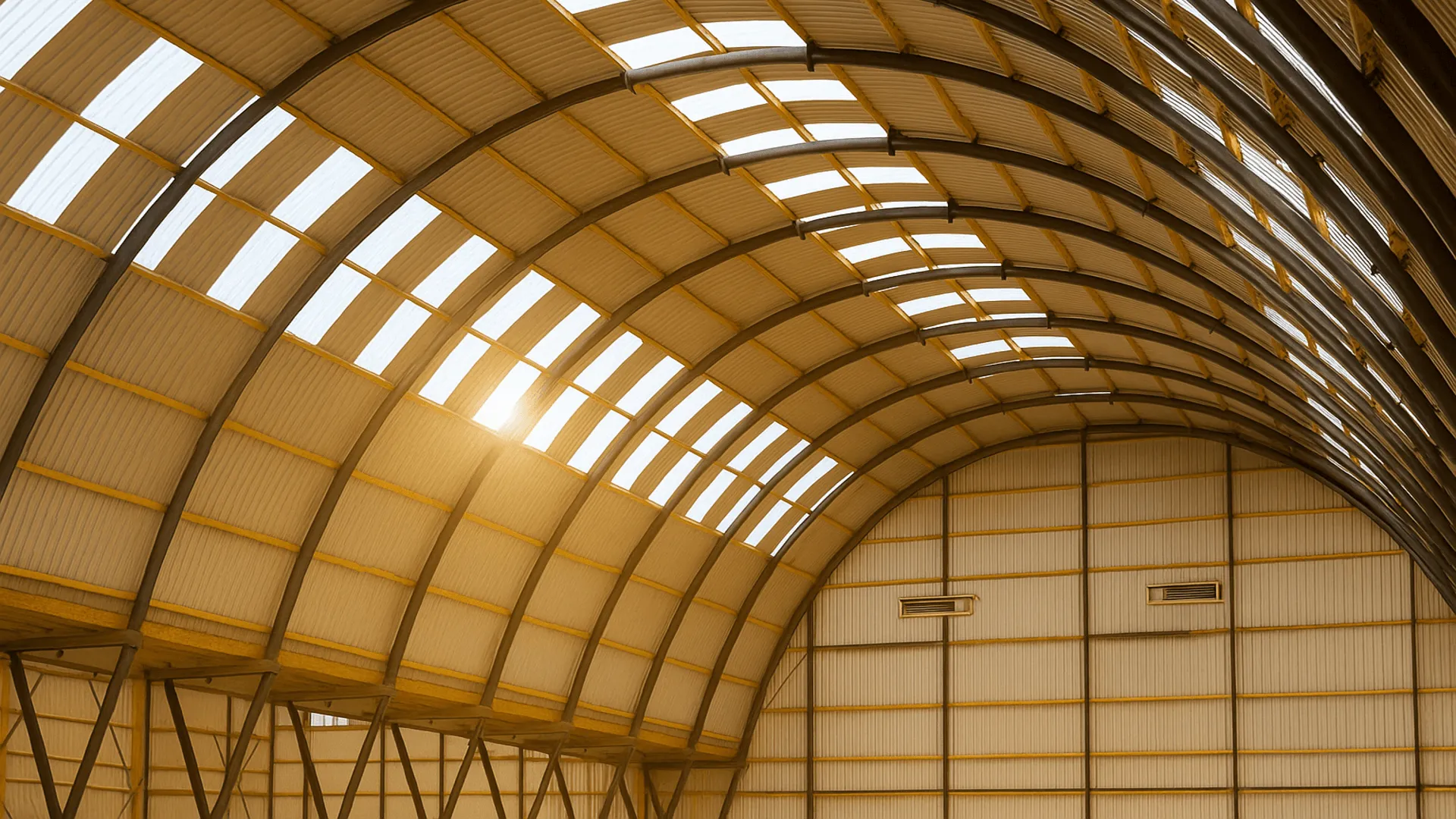
A new translucent FRP roof floods a shed with soft daylight. A few years later, some roofs are still clear while others have turned yellow, gone dull and let in far less light. The difference is rarely bad luck. It comes down to how the sheet's surface was protected, which resin was used and how the sheets were installed. This guide explains what causes yellowing and how to specify and install sheets that stay clear for longer.
What actually causes yellowing
The weather side of an FRP sheet takes the full force of the sun. Ultraviolet light slowly attacks an unprotected resin surface. As the surface weathers it yellows, loses gloss and lets less light through, and eventually the glass fibres near the surface can become exposed. That is why the top surface matters far more than the thickness for long-term appearance.
1. Specify UV protection on the weather side
The single most important specification is a UV-stabilised film or gelcoat on the weather-facing side of the sheet. It shields the resin underneath from sunlight. In practice it is the difference between a surface that weathers in about 5 years and one that lasts around 15. On translucent skylight sheets, check that the UV barrier is part of the sheet, and ask whether it is included in the price or charged as an add-on.
2. Choose the right resin grade
Isophthalic resin costs more than orthophthalic resin, but it holds its UV resistance and colour longer. For outdoor industrial roofs that is worth paying for. It matters less for sheets used under cover. If the building has acid fumes or sits near the coast, use chemical-resistant roofing sheets, because fumes and salt attack an ordinary resin surface as well.
3. Ask for the glass content, not just the thickness
Two sheets of the same thickness can perform very differently. Higher glass fibre content increases strength and impact resistance. Ask every supplier for the glass content by weight, so you compare like with like.
4. Protect the surface during installation
Many sheets are damaged before the roof is even finished:
- Don't drag sheets across steelwork. Burrs on purlins scratch the UV film, and every scratch becomes a weak spot where weathering starts. Keep sheets flat and shaded until fixing, and lift them into place.
- Use neutral-cure sealant only. Acid-cure silicone attacks the resin surface at the laps.
- Pre-drill holes 2 mm oversize and fix with EPDM-washer roofing screws, so thermal movement does not crack the sheet around the fastener.
- Keep foot traffic off the sheets. Walk only along purlin lines. Hidden cracks from careless walking let water and dirt into the laminate.
The full method is in our FRP roofing installation guide.
5. Keep the roof clean
Dust, soot and bird droppings cut daylight on any translucent roof. Clean the sheets periodically with water and a mild detergent using a soft brush, working from crawling boards rather than standing on the sheets. Avoid harsh solvents and abrasive scrubbers, which damage the protective surface.
Five questions to ask before you buy
- What is the glass fibre content by weight?
- Is the resin isophthalic or orthophthalic?
- Is the UV-stabilised film or gelcoat included, or is it an add-on?
- What is the warranty against yellowing and delamination?
- Is the sheet made in-house, or is this a reseller price?
A supplier who answers all five clearly is usually selling a sheet that will last. Rawji Exports manufactures roofing and skylight sheets at its own Bhiwandi plant and answers these questions with every quotation. Compare thickness bands and indicative rates on our FRP roofing sheet price list, or see the full FRP roofing sheets range.